

Polyglutamic Acid: The High-performance Moisturizing Biopolymer
If you’ve been exploring skincare ingredients and functional raw materials, you may have noticed polyglutamic acid gaining wide attention. But what exactly is polyglutamic acid, and why is it becoming a popular ingredient in modern cosmetic formulations? Let’s know more about this fermented biopolymer.
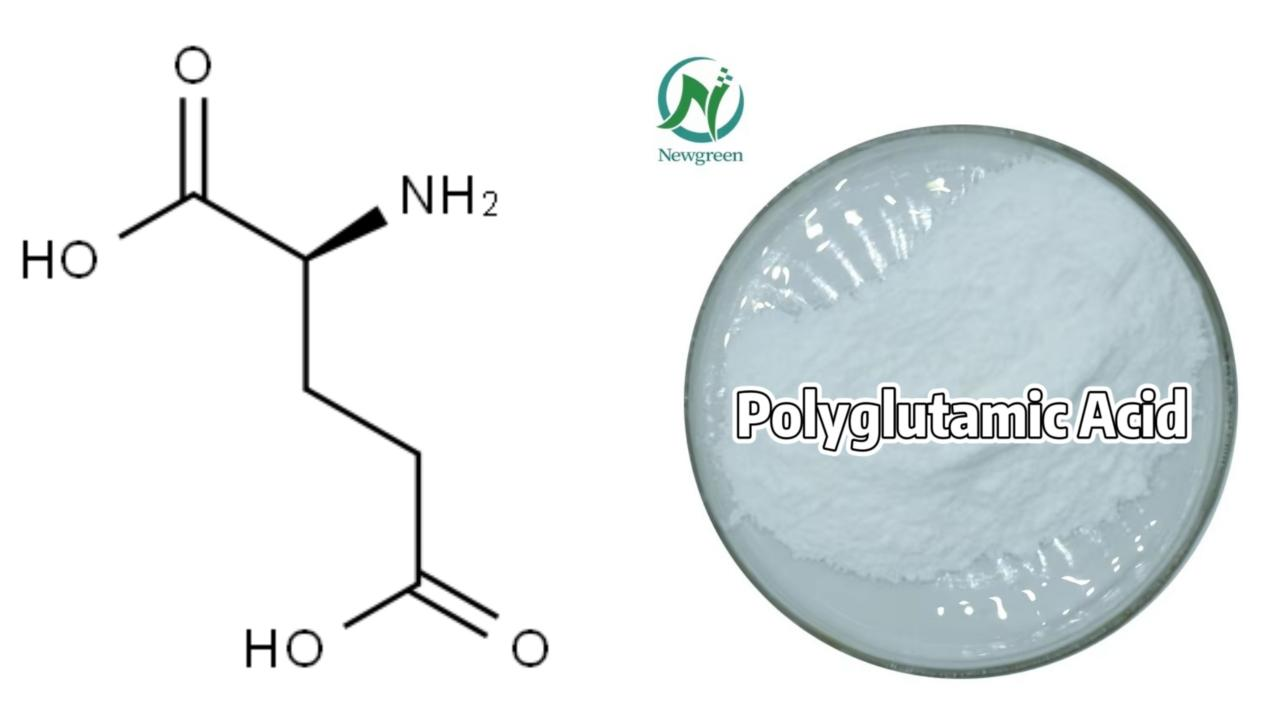
Polyglutamic acid (γ-PGA) is a water-soluble biopolymer produced by microbial fermentation, made of long glutamic acid chains. It works as an efficient humectant and film-forming agent with strong moisture-binding capacity. It is mild, non-comedogenic, and generally well-tolerated, including by pregnant people. Low-molecular-weight γ-PGA supports fibroblast activity and skin renewal, widely incorporated in anti-aging and anti-wrinkle formulations. High-molecular-weight γ-PGA performs better for foam stabilization, moisturization and hair adhesion; it reduces static and softens hair in hair care applications. It also shows skin-brightening potential in studies.
One of the key functions of polyglutamic acid is skin hydration. It attracts and retains moisture on the skin surface, helping the skin look smoother and softer. After application, it forms a thin, breathable protective film on the skin, which helps reduce transepidermal water loss and supports stable long-lasting hydration. In in-vitro and reconstructed skin model studies, polyglutamic acid also helps promote the accumulation of skin’s own natural moisturizing factors and supports the expression of barrier-related proteins, which is beneficial for maintaining a healthy skin barrier.
In addition to its moisturizing and barrier-supporting benefits, polyglutamic acid is gentle and low-irritating. It is compatible with many other cosmetic active ingredients and widely used in serums, creams, masks and other skincare products. It works well for dry and sensitive skin types to relieve dryness-related roughness.
Laboratory research also indicates polyglutamic acid shows mild free-radical scavenging potential under certain test conditions. Unlike dedicated antioxidants, its core advantage is not antioxidant activity; its protective effect mainly comes from stabilizing skin moisture and reinforcing the skin barrier against external environmental stress.
Polyglutamic acid is biodegradable and safe for cosmetic use. While it can also be applied in food and other fields under relevant regulatory limits, its most established and common application is topical skincare.
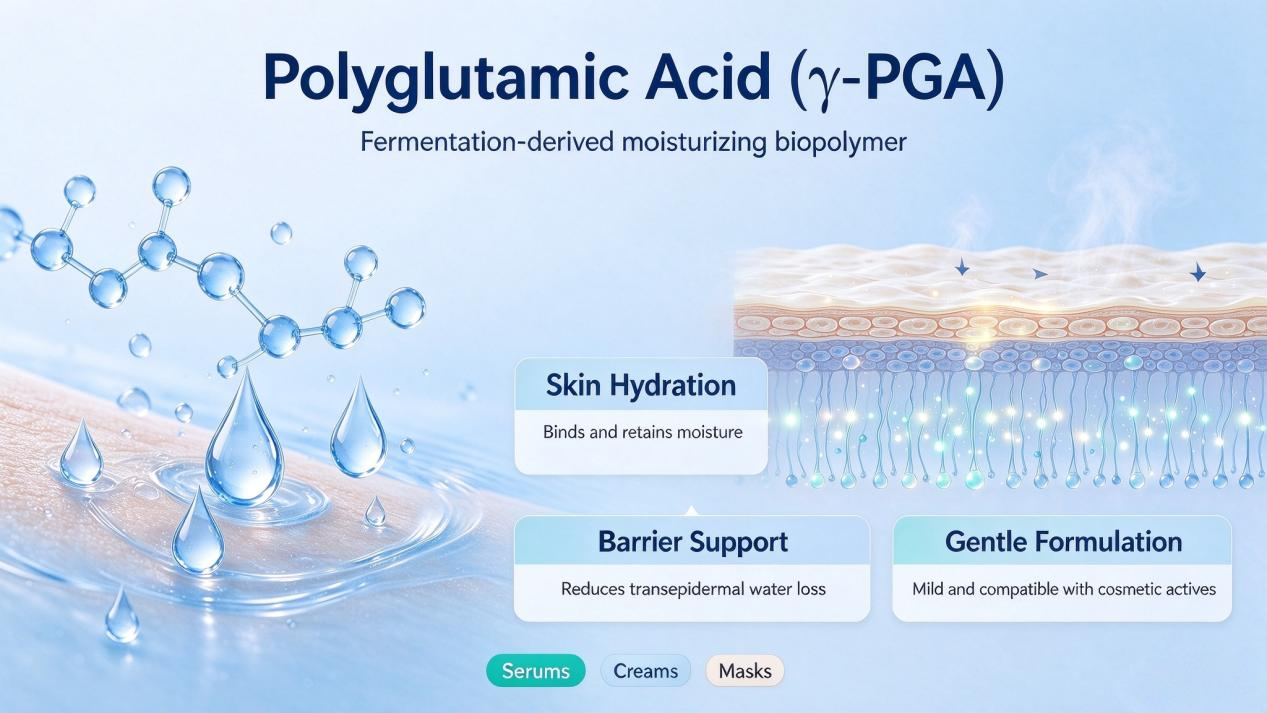
In summary, polyglutamic acid is a fermentation-derived biopolymer celebrated for its superior moisture-binding and film-forming properties. It helps lock in skin moisture, reduce water evaporation and support skin barrier health, serving as a reliable and versatile moisturizing raw material for cosmetic formulations.
For more info, plz contact:
Name: Lulu
Tel/whatsapp: +86 15664780978
email: lulu@lfherb.com
Post time: Oct-29-2026