

Niacinamide: the “Multi‑Tasking Star Ingredient”
You may have come across the term “niacinamide” in beauty, personal‑care and nutritional product discussions in recent years. But what exactly is niacinamide? What role does it play in our overall health and skin condition? Let’s take a closer look at this popular compound.
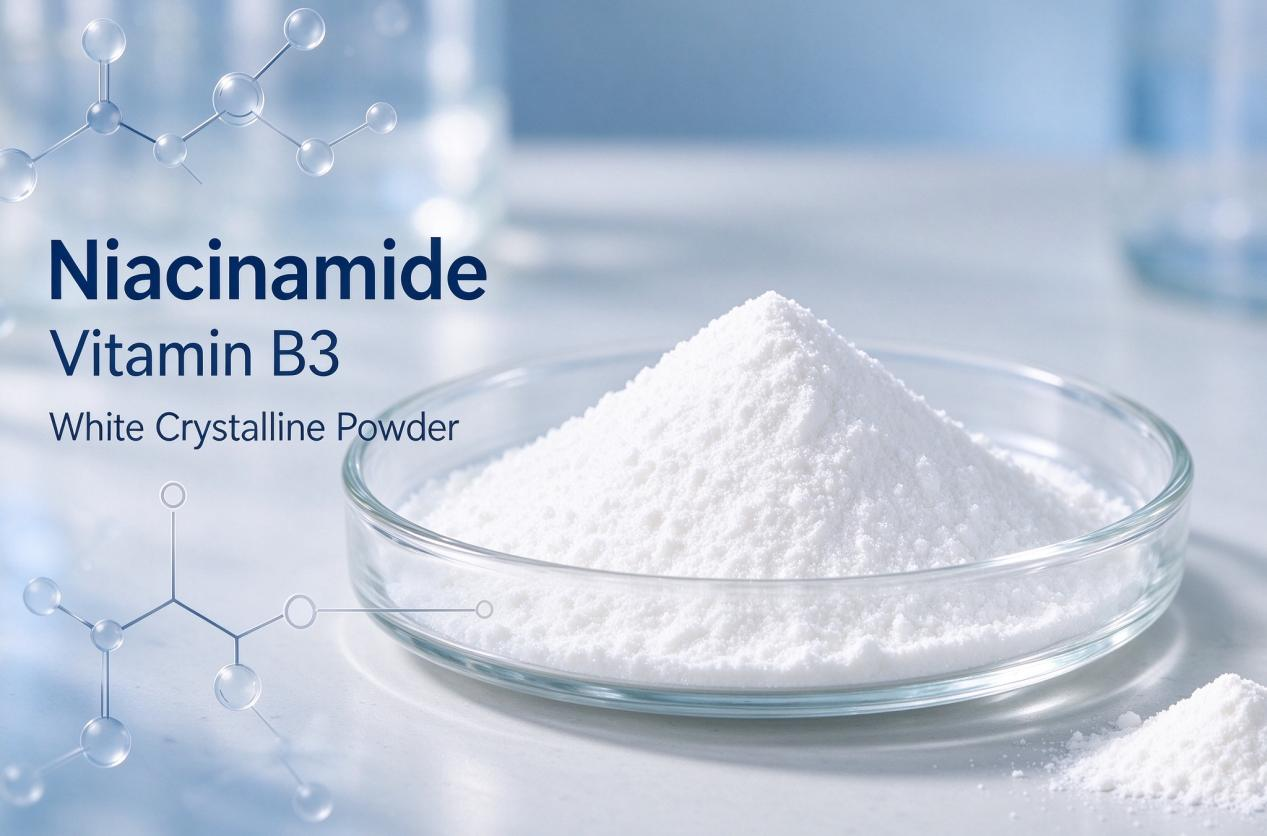
Niacinamide, also called nicotinamide, is the amide form of Vitamin B3, an essential water‑soluble nutrient for human bodies. It appears as white crystalline powder, and serves as a key precursor of NAD⁺ and NADP⁺, two vital co‑enzymes participating in hundreds of cellular biochemical reactions. Unlike nicotinic acid (niacin), niacinamide will not cause uncomfortable skin flushing reaction, so it is widely adopted for cosmetic and nutraceutical production. One of its core functions is supporting cellular energy metabolism. It helps cells produce energy, accelerates DNA damage repair caused by oxidation and ultraviolet exposure, and reduces oxidative stress inside the body. This protection mechanism plays an important role in slowing cell aging and maintaining normal physiological functions of organs.
In addition to supporting cellular metabolism, niacinamide also helps regulate the body’s inflammatory response. It can suppress the release of inflammatory factors, relieve mild inflammation reactions, and assist the body to keep stable immune status. It also helps prevent vitamin B3 deficiency‑related health problems when used as oral nutritional supplementation.
Additionally, niacinamide delivers comprehensive benefits for skin health, and it has become one of the most popular cosmetic raw materials worldwide. It can strengthen the skin barrier function by promoting ceramide synthesis, lock skin moisture and reduce water loss. Niacinamide helps brighten uneven skin tone, fade dark spots and hyper‑pigmentation by inhibiting melanosome transfer. It also controls excessive sebum secretion, refines enlarged pores, improves acne‑prone skin condition, and alleviates redness and skin sensitivity. All these effects help create smoother, more elastic and glowing skin.
Although small amounts of niacinamide can be obtained from daily food such as meat, nuts and whole grains, factors including aging, unbalanced diet and excessive UV exposure will lower Vitamin B3 level in our body. Under such circumstances, supplementation or topical application of niacinamide becomes helpful. Niacinamide raw material can be made into various finished forms: oral nutritional supplements, facial serums, creams, lotions and other personal‑care products.
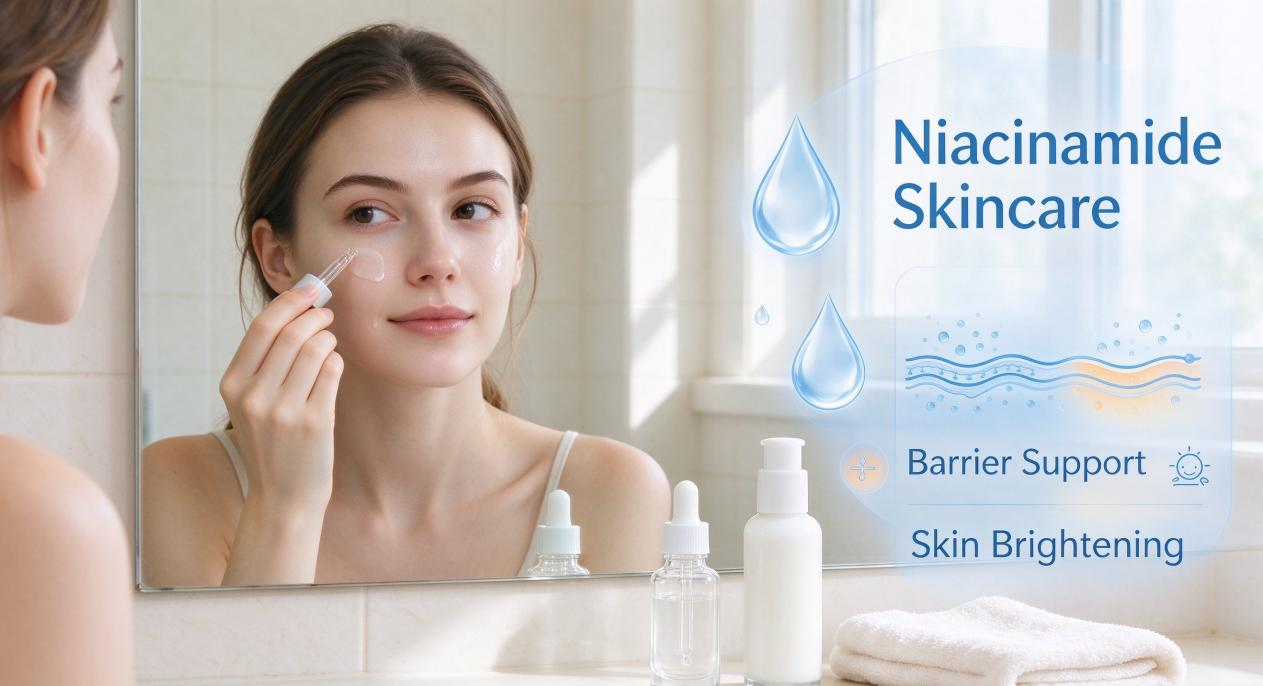
In summary, niacinamide is a versatile multi‑functional ingredient with great value for health and beauty. From cellular energy support, DNA repair, inflammation control to skin barrier repair, oil regulation and skin brightening, its advantages cover both internal nutrition and external skincare. Supplementing proper niacinamide through formulations brings multiple benefits for human well‑being.
For more info, plz contact:
Name: Cassie Huang
Tel/whatsapp: +8613008408548
email: lucy@lfherb.com
Post time: Oct-27-2026