

Creatine Monohydrate: The Gold‑Standard Sports Nutrition Ingredient
You may have come across the term “Creatine Monohydrate” in sports nutrition and fitness discussions in recent years. But what exactly is creatine monohydrate? What role does it play in human physical performance?
Creatine monohydrate is a well‑studied natural nutritional compound. The human body can synthesize small amounts of creatine inside liver, pancreas and kidneys, and it can also be obtained from meat and fish in daily diet. Known as the “gold‑standard” sports nutrition raw material, creatine monohydrate appears as fine white crystalline powder. It mainly stores in human skeletal muscle in the form of phosphocreatine, and plays a vital role in rapid energy supply for muscle contraction. One of the key functions of creatine monohydrate is ATP regeneration. During short‑term high‑intensity exercise, phosphocreatine quickly provides phosphate groups to regenerate ATP, which is the direct energy source for muscles. This process supports explosive strength output and delays the occurrence of exercise fatigue. This energy‑supplying effect is especially important for strength trainers, sprinters and fitness enthusiasts.
In addition to its rapid energy‑replenishing abilities, creatine monohydrate also plays a vital role in supporting lean muscle maintenance and muscle recovery. It helps increase intracellular hydration status of muscle cells, promotes muscle protein synthesis and reduces muscle protein breakdown. After high‑intensity training, it helps ease exercise‑induced muscle damage and speeds up physical recovery between training sessions.
Additionally, creatine monohydrate benefits physical conditions of different groups. For adults who keep resistance training, it helps improve muscle strength and training volume. For elderly people, proper supplementation combined with exercise helps maintain muscle mass and slow age‑related muscle loss. It should be noted that creatine monohydrate is a dietary supplement rather than medicine, and cannot replace medical treatment.
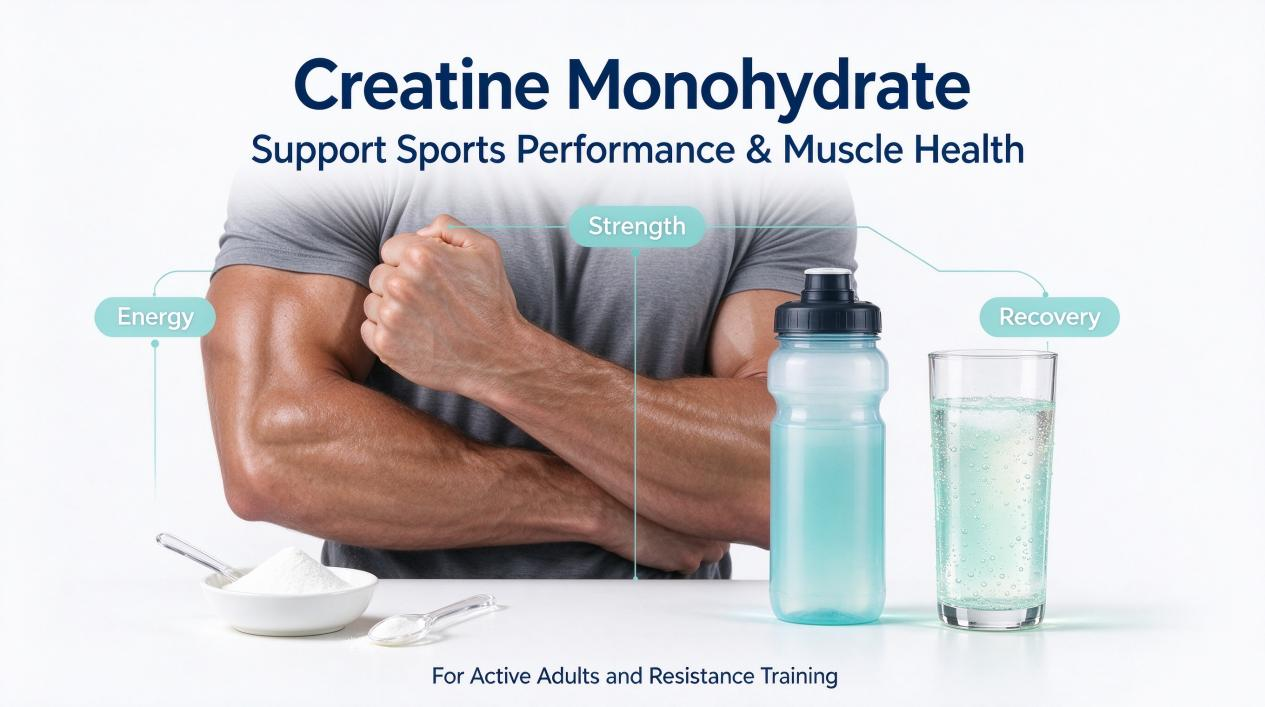
Although human bodies can produce creatine by themselves, several factors will lower intramuscular creatine reserves. These include high‑intensity long‑time training, insufficient meat intake, aging and physical consumption. In this case, external supplementation may be necessary to maintain optimal creatine levels. Creatine monohydrate raw material is widely used in sports drinks, solid beverage powder, tablets and capsules for sports nutrition products.
In summary, creatine monohydrate is a proven sports‑nutrition raw material that plays a vital role in supporting human exercise capacity and muscle health. From rapid ATP regeneration and strength improvement to muscle maintenance and post‑workout recovery, the benefits of creatine monohydrate are far‑reaching. Reasonable intake of qualified creatine monohydrate can provide significant benefits for fitness crowds and active adults.
For more info, plz contact:
Name: Cassie Huang
Tel/whatsapp: +8613008408548
email: lucy@lfherb.com
Post time: Oct-16-2026