

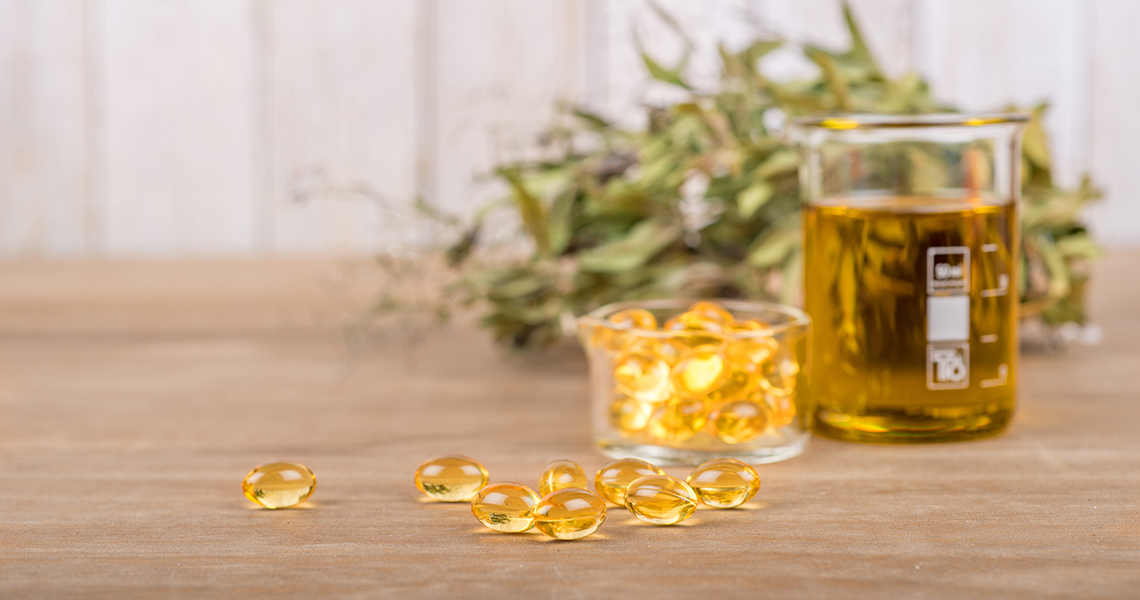
● What is Vitamin E Oil ?
Vitamin E Oil, chemical name tocopherol, is a group of fat-soluble compounds (including α, β, γ, δ tocopherols), among which α-tocopherol has the highest biological activity.
The core characteristics of vitamin E oil come from its unique molecular structure:
Molecular formula: C₂₉H₅₀O₂, containing benzodihydropyran ring and hydrophobic side chain;
Physical properties:
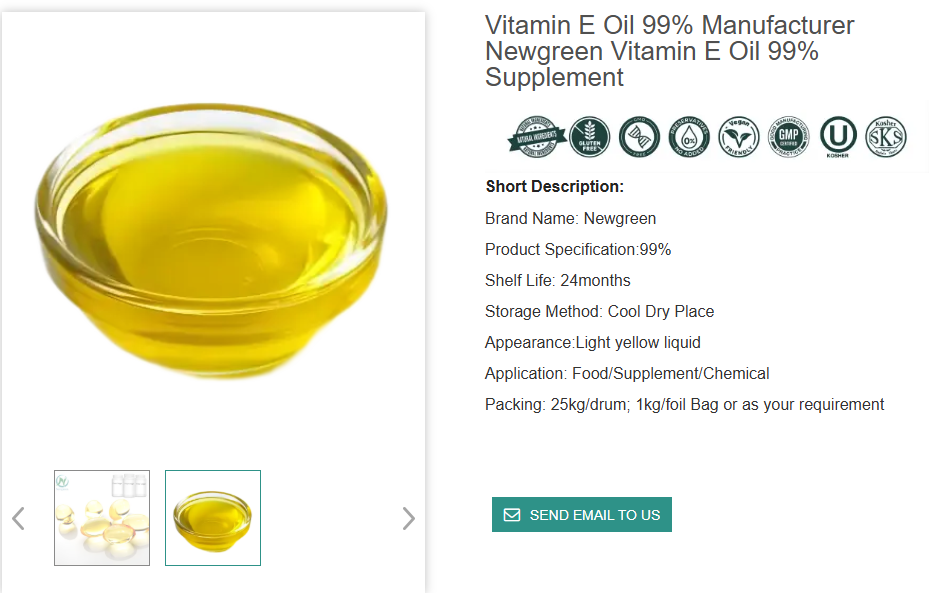
Appearance: slightly greenish yellow to light yellow viscous liquid, almost odorless;
Solubility: insoluble in water, easily soluble in organic solvents such as ethanol, ether, and vegetable oil;
Stability and sensitivity:
High temperature resistant (no decomposition at 200℃), but slowly oxidized and discolored when exposed to light, and synthetic products have weaker antioxidant properties than natural products;
Sensitive to air, need to be stored in a sealed and light-proof place (2-8℃).
Little knowledge: Natural vitamin E is mainly extracted from wheat germ oil, soybean oil, and corn oil, while synthetic products are mass-produced by chemical methods, but their biological activity is only 50% of that of natural products.
● What Are The Benefits Of The Vitamin E Oil ?
1. Antioxidant And Anti-Aging Mechanism
Vitamin E is one of the strongest fat-soluble antioxidants in the human body:
Scavenging free radicals: It captures free radicals through phenolic hydroxyl groups to protect cell membrane lipids from oxidative damage, and its efficiency is 4 times that of synthetic antioxidants (such as BHT);
Synergizing: It can regenerate oxidized vitamin E when used in combination with vitamin C, and improve the overall antioxidant network efficiency.
2. Core Contributor To Skin Health
Photodamage repair: It forms a protective film on the skin surface, reduces UV-induced erythema and DNA damage, and the area of erythema decreases by 31%-46% after clinical use;
Moisturizing and anti-aging: vitamin e oil promotes ceramide synthesis, enhances the skin barrier’s ability to lock in moisture, and improves dryness and wrinkles (wrinkle depth is reduced by 40% after 6 months of continuous use);
Problem skin repair:
Inhibit tyrosinase activity, fade chloasma and age spots;
Relieve seborrheic dermatitis and angular cheilitis, and accelerate the healing of burn wounds.
3. Systemic Disease Intervention
Reproductive health: Promotes sex hormone secretion, improves sperm motility and ovarian function, and is used for auxiliary treatment of infertility and recurrent miscarriage;
Liver protection: The US guidelines recommend it as the first choice for non-alcoholic fatty liver disease, which can reduce transaminase and improve liver fibrosis;
Cardiovascular defense: Delays oxidation of low-density lipoprotein (LDL) and prevents atherosclerosis;
Blood and immunity:
Protects red blood cell membranes and is used for antioxidant treatment of thalassemia;
Regulates the inflammatory response of autoimmune diseases (such as lupus erythematosus).
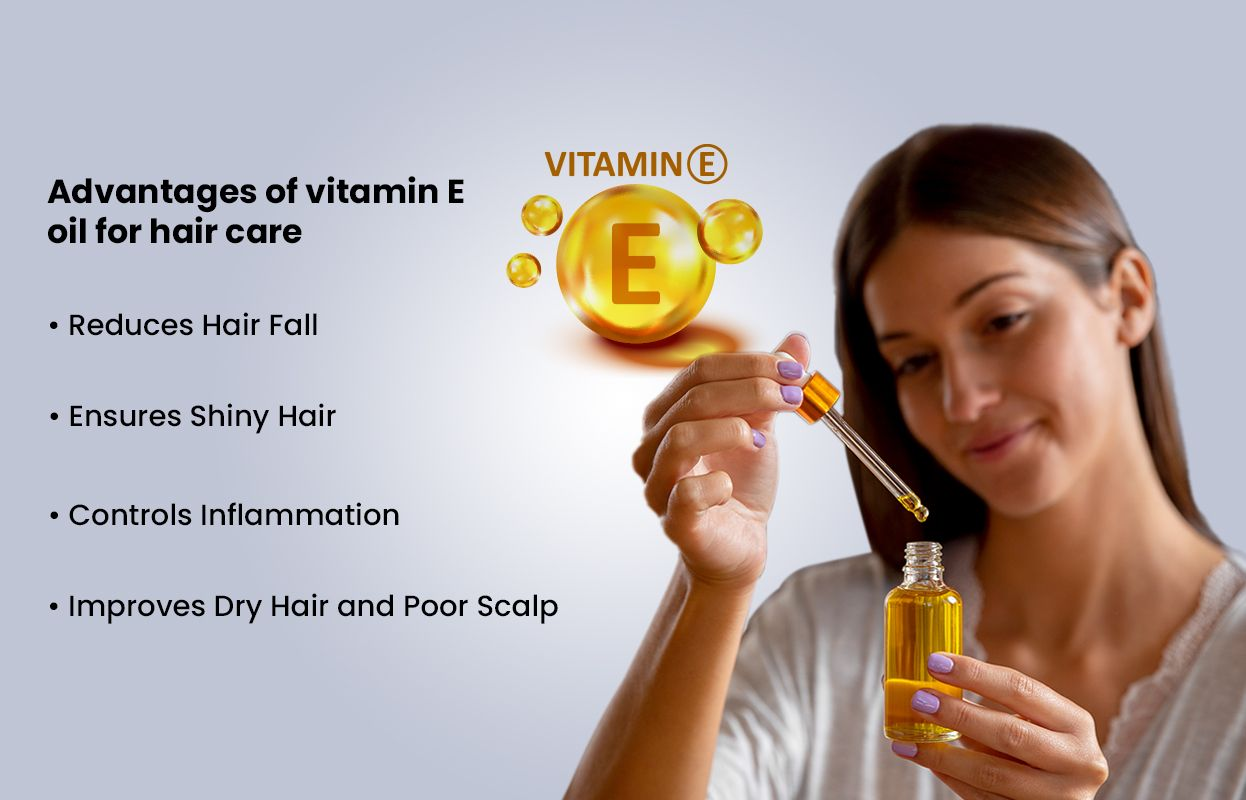
● What Are The Applications Of Vitamin E Oil ?
1. Medical Field:
Prescription preparations:
Oral capsules: treatment of habitual abortion, menopausal disorders (daily dose 100-800mg);
Injections: used for acute poisoning, chemotherapy protection (need to be infused in the dark).
Topical medications: creams improve skin cracks and frostbite, and local application accelerates wound healing46.
2. Cosmetics And Personal Care:
Anti-aging essence: add 0.5%-6% vitamin E oil, compound hyaluronic acid to enhance moisturizing (the oil phase needs to be added below 80℃ when preparing creams);
Sunscreen enhancement: compound with zinc oxide to increase SPF value and repair Langerhans cells damaged by ultraviolet rays.
3. Food Industry:
Nutrient enhancer: added to baby food and health products (such as soft capsules) to meet daily needs (daily dosage for adults is 15mg);
Natural preservatives: used in oils and fat-containing foods (such as cream) to delay rancidity, and are safer than BHA/BHT.
4. Agriculture And Emerging Technologies
Feed additives: improve livestock and poultry fertility and reproductive function;
Innovation of pharmaceutical excipients:
Vitamin E-TPGS (polyethylene glycol succinate): a water-soluble derivative, used as a solubilizer to improve the bioavailability of poorly soluble drugs;
Applied in nano-targeted drugs (such as anti-tumor preparations).
● Usage Warning of Vitamin E Oil :
1. Dosage Safety:
Long-term overdose (>400mg/day) may cause headaches, diarrhea, and increase the risk of thrombosis;
Beware of anaphylactic shock during intravenous injection (warning of the revised instructions of the China Food and Drug Administration in 2018).
2. Precautions For External Use:
Sensitive skin needs to be tried on a small area. Excessive application may clog pores. It is recommended to use 1-2 times a week;
Patients with chloasma should use sunscreen (SPF≥50) to avoid worsening photosensitivity.
Special population: Pregnant women and breastfeeding women should use it according to doctor’s advice.
● NEWGREEN Supply Vitamin E Oil Powder
Post time: Jul-17-2025


