

● What Is Ivermectin ?
Ivermectin is a semi-synthetic macrolide antibiotic derived from fermentation and purification of Streptomyces avermitilis. It mainly contains two components: B1a (≥80%) and B1b (≤20%). Its molecular formula is C48H74O14, molecular weight is 875.09, and CAS number is 70288-86-7.
In 2015, the discoverers William C. Campbell and Satoshi Omura won the Nobel Prize in Physiology or Medicine for their breakthrough contribution to the fight against river blindness and elephantiasis.
Physical and chemical properties
Properties: white or light yellow crystalline powder, odorless;
Solubility: easily soluble in organic solvents such as methanol, ethanol, acetone, and almost insoluble in water (solubility is about 4μg/mL);
Stability: not easy to decompose at room temperature, but easy to degrade in light, need to be kept in a sealed and light-proof environment, and long-term storage requires a low temperature environment of 2-8℃;
● What Are The Benefits Of Ivermectin ?
Ivermectin attacks the parasite nervous system precisely through dual pathways:
1. Promotes the release of inhibitory neurotransmitter γ-aminobutyric acid (GABA) to block nerve signal transmission;
2. Opens glutamate-gated chloride ion channels to induce hyperpolarization and paralysis of the parasite’s muscles.
Its efficiency in killing nematodes (such as roundworms and hookworms) and arthropods (such as mites, ticks, and lice) is as high as 94%-100%, but it is ineffective against tapeworms and flukes.
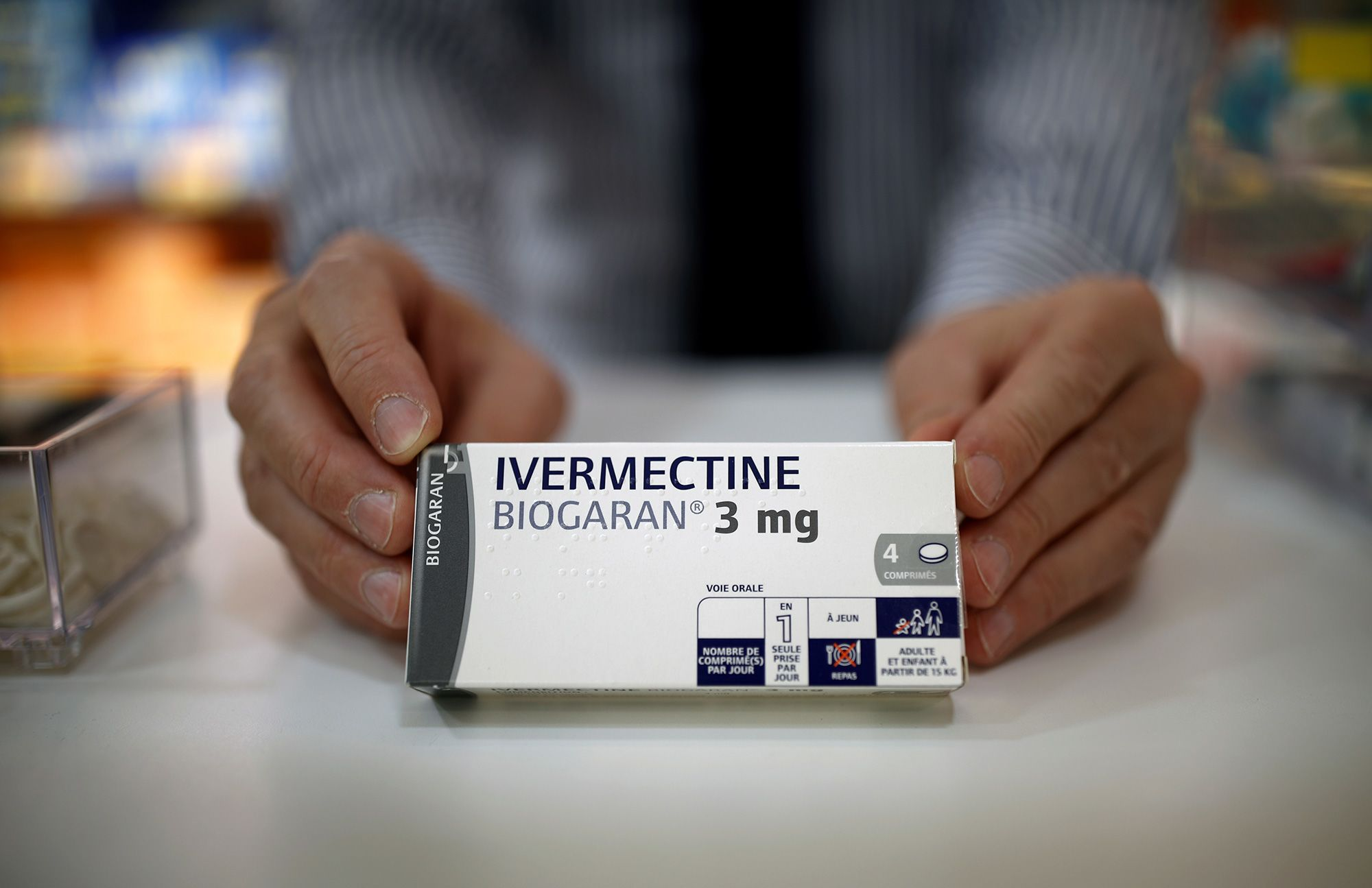
● What Are The Application Of Ivermectin ?
1. Veterinary field (precise dosage differentiation)
Cattle/sheep: 0.2mg/kg (subcutaneous injection or oral administration), can eliminate gastrointestinal nematodes, lung filaria and scabies on the body surface;
Pigs: 0.3mg/kg (intramuscular injection), the control rate of roundworms and scabies is nearly 100%;
Dogs and cats: 6-12μg/kg to prevent and treat heartworms, 200μg/kg to kill ear mites;
Poultry: 200-300μg/kg (oral administration) is effective against chicken roundworms and knee mites.
2. Human medical treatment
Ivermectin is a basic drug of the World Health Organization, mainly used for:
Onchocerciasis (river blindness): 0.15-0.2mg/kg single dose, the microfilariae clearance rate exceeds 90%;
Stregostrongyloidiasis: 0.2mg/kg single dose;
Ascaris and whipworm infections: 0.05-0.4mg/kg short-term treatment.
3. Agricultural pesticides
As a bio-source pesticide, it is used to control plant mites, diamondback moths, leaf miners, etc., and has low residue characteristics.
● Safety and Challenges
Ivermectin is relatively safe for mammals (difficult to penetrate the blood-brain barrier), but there are still contraindications:
Adverse reactions: Occasionally headache, rash, transient increase in liver enzymes, and high doses can cause ataxia;
Species sensitivity differences: Shepherd dogs and other dog breeds may experience severe neurotoxicity;
Reproductive toxicity: Animal experiments show that high doses have a risk of teratogenicity (cleft palate, claw deformity).
The global problem of parasite resistance is becoming increasingly serious. A 2024 study showed that the combination of ivermectin and albendazole can improve the efficacy against filariasis. Many pharmaceutical companies around the world are promoting the upgrading of raw material drug technology, and the purity has reached 99%.
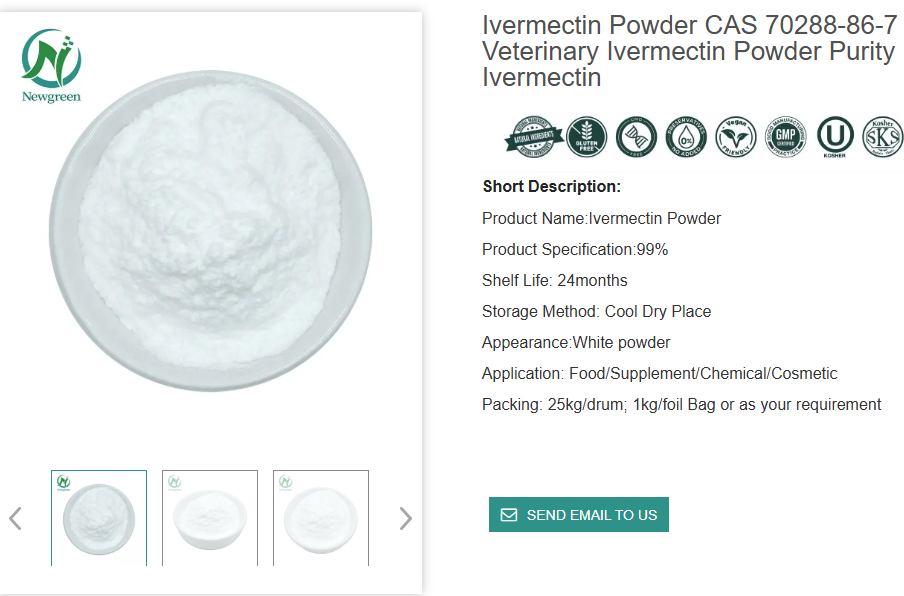
● NEWGREEN Supply High Quality Ivermectin Powder
Post time: Jul-18-2025


