

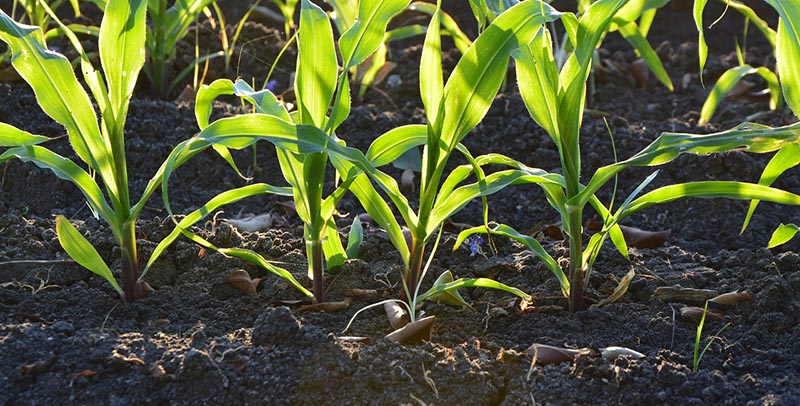
● What Is Bacillus licheniformis ?
As a star species of the genus Bacillus, Bacillus licheniformis, with its strong environmental adaptability and versatile metabolic capabilities, is becoming a core microbial resource driving green agricultural transformation, clean industrial production, and healthcare. Its unique biological properties and wide-ranging applications have garnered significant attention worldwide.
Bacillus licheniformis belongs to the class Bacillus, phylum Firmicutes. It is a Gram-positive bacterium with a rod-shaped body (0.8×1.5-3.5μm) that forms elliptical mesozoic spores. It is resistant to high temperatures (surviving for several minutes at 100°C), acid and alkali (pH 3.0-9.8), and high salt (≤10% NaCl). Its metabolites include lipopeptide antibiotics, chitinases, and plant hormone analogs, exhibiting antimicrobial, growth-promoting, and soil remediation properties. As a natural “ecological engineer,” it inhibits pathogens through biological oxygen deprivation while promoting the proliferation of beneficial microorganisms and maintaining microbial balance.
● What Are The Benefits Of Bacillus licheniformis ?
1. Biological Control: By secreting antimicrobial peptides (such as surfactin) and competitively occupying ecological niches, it inhibits soil-borne pathogens such as Fusarium and Rhizoctonia, achieving a 60%-87% control rate against wheat take-all disease and cucumber downy mildew.
2. Growth Promotion: It synthesizes indoleacetic acid (IAA) and cytokinins, stimulates plant root development, and improves nitrogen and phosphorus uptake, potentially increasing rice and wheat yields by 8%-12%.
3. Environmental Remediation: It degrades pesticide residues (removing over 90% of organophosphorus), absorbs heavy metals (lead and cadmium), and remediates contaminated soil. Three years of continuous application can increase soil porosity by 15%.
4. Industrial Enhancement: It produces alkaline protease (accounting for 50% of global enzyme production) and amylase for use in detergents and food processing. It also ferments and produces antibiotics such as bacitracin, replacing chemical synthesis processes.
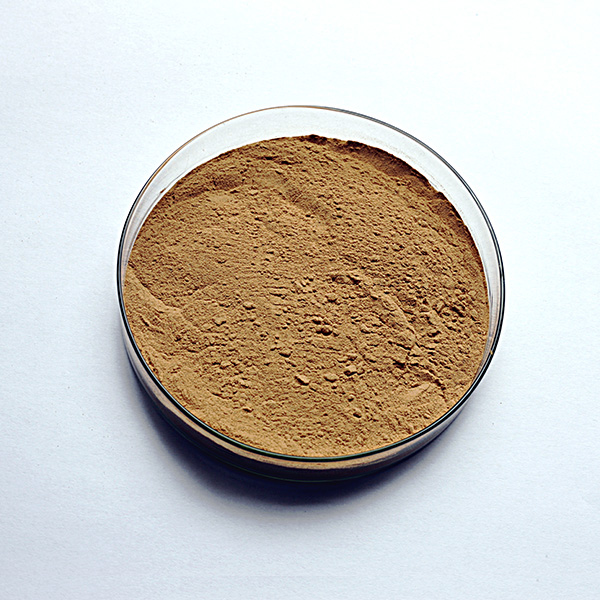
● What Are The Application Of Bacillus licheniformis ?
1. Agriculture: Biopesticides, soil conditioners, feed additives
2. Animal Husbandry: Probiotics (intestinal health supplements), silage starter cultures. Adding 0.1%-0.3% to feed reduces diarrhea and improves feed conversion.
3. Pharmaceuticals: Live bacteria capsules (for the treatment of enteritis), nanocarriers (for targeted drug delivery), Bacillus licheniformis live bacteria capsules (250 million CFU/capsule) regulate intestinal flora.
4. Environmental Protection: Wastewater treatment (for ammonia nitrogen degradation), biological laundry detergent (for protease decontamination). Applying 50-100g/mu (approximately 1.5 acres) purifies aquaculture water, reducing ammonia nitrogen from 10mg/L to 2mg/L.
- Industry: Biofuels (ethanol), nanomaterials (synthesis of gold nanocubes)
● Dosage and Safety Guidelines of Bacillus licheniformis
1. Agricultural Applications
Soil Treatment: 50-100 g/mu, mix with soil and broadcast, or dilute with water for root irrigation;
Seed Coating: 1 billion CFU/seed to improve germination rate;
Feed Additive: 0.1%-0.3% (fattening period) or 0.02%-0.03% (young livestock).
2. Medical Uses
Oral Formulation: Adults: 2 capsules (0.25 g/pill) 3 times daily; Children: 50% on an empty stomach;
Topical Formulation: Vaginal suppository (1 billion CFU/suppository), once daily for 7 consecutive days.
3. Industrial Fermentation
Liquid Fermentation: Temperature 37-45°C, pH 7.0, dissolved oxygen ≥ 20%. Supplement with 0.5% corn steep liquor to enhance enzyme production efficiency.
Solid-State Fermentation: Corncob substrate, 50%-60% humidity, to increase protease activity by 30%. Safety Tips:
Avoid mixing with strong oxidants and copper preparations. High-temperature granulation must ensure a spore survival rate >85%.
For medical applications, antibiotics should be administered three hours apart. Use with caution in those with allergies.
For environmental applications, adhere to dosage guidelines; excessive use may cause ecological imbalance.
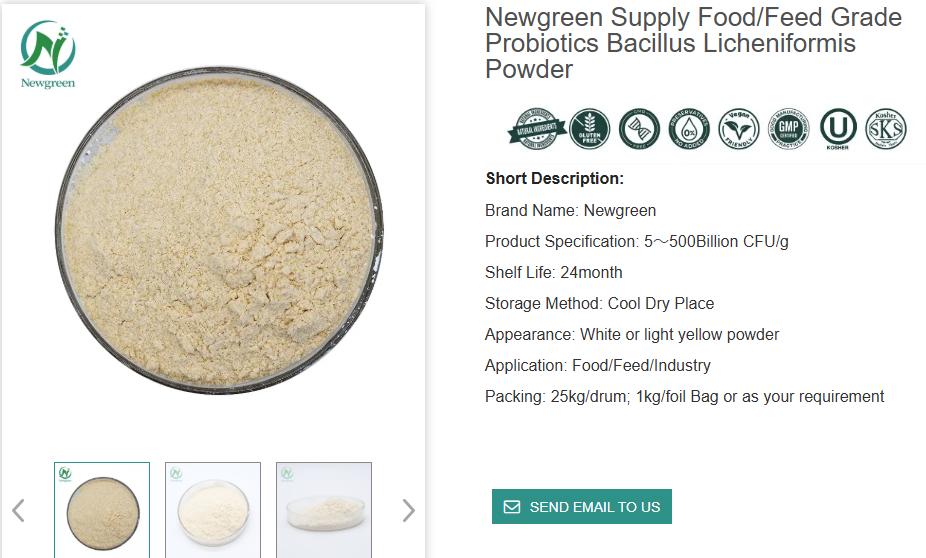
● Newgreen Supply High Quality Bacillus licheniformis Powder
Post time: Aug-06-2025


